

Sort by:
17 products
17 products

- Introducing the Eclipse Sweater—a sleek all-black, cropped design with a high neck, ideal for the gym or everyday wear. Crafted from 100% polyester, this versatile sweater combines style and comfort effortlessly. Elevate your wardrobe and stay on-trend with the Eclipse Sweater—perfect for any occasion!

- Stay cozy in style with our DIAZA women's hoodie, crafted for comfort and designed to elevate your casual look. Made with soft, high-quality fabric, it's the perfect blend of warmth and fashion-forward flair. Whether you're lounging at home or stepping out, this hoodie is your go-to choice for effortless chic.

- Made for modern athletes, the GOLD WIND RUNNER is a sleek and stylish addition to any active wardrobe. Crafted from a lightweight Memory Fabric with a unique sublimation technique, the kit features a hood and zippered pockets for superior functionality and comfort. Its wind and waterproof properties, mesh lining, and back vent also ensure breathability. Experience premium performance with the Standard fit for an effortless, relaxed feel.

- HOME JERSEY Single collar
- Screen Printing Size label
- Sublimated Sponsor Logo
- Fantastic Sublimation printing technique
- Sublimated Team logo
- Sleeve end in sublimation
- Quick Dri-fit functional Fabric
- Dry mesh to keep underarm cool

- MLQ KIT JERSEY + PANTS -Single collar
- Screen Printing Size label
- Sublimated Sponsor Logo
- Fantastic Sublimation printing technique
- Sublimated Team logo
- Sleeve end in sublimation
- Quick Dri-fit functional Fabric
- Dry mesh to keep underarm cool


Featuring DIAZA GOLD, this kit is designed with convenience in mind: Single collar, Screen Printing Size label, Sublimated Sponsor Logo, and superb Sublimation printing technique Team logo for a truly unique look. For breathability, Dry mesh is included to keep your underarm cool, while Quick Dri-fit functional Fabric keeps you comfortable. A sophisticated and exclusive choice for active athletes.


*Strategic mesh panels for added ventilation where you need it
*Material wicks sweat & dries really fast
*Ergonomic design keeps seams off high abrasion areas & increases durability
*Material wicks sweat & dries really fast
*Ergonomic design keeps seams off high abrasion areas & increases durability


*Strategic mesh panels for added ventilation where you need it
*Material wicks sweat & dries really fast
*Ergonomic design keeps seams off high abrasion areas & increases durability
*Material wicks sweat & dries really fast
*Ergonomic design keeps seams off high abrasion areas & increases durability


- Dual-layer fabric with an ultra-warm, brushed interior & a smooth, fast-drying exterior.
- 4-way stretch material moves better in every direction.
- Material wicks sweat & dries really fast


- Dual-layer fabric with an ultra-warm, brushed interior & a smooth, fast-drying exterior.
- 4-way stretch material moves better in every direction.
- Material wicks sweat & dries really fast.

- Highly water resistant
- Front compartment -Lightnon-heavy fabric -size pockets -100%polyester

- Memory Fabric feels smooth and light- weight.
- Sublimation technique (optional) -Water &Windproof Fabric
- Mesh lining and back vent enhance breathability.
- Standard fit for a relaxed, easy feel
- Zippered pockets -Hood
- Fabric: 100% polyester

Crafted from luxurious 100% cotton fabric, this Hoodie is designed for top-notch performance and style. Ideal for athletes looking to up their game, this kit features heat press logos & optional sublimated polyester for a superior finished product. Flaunt your style with this exclusive hoodie.

- MIDWEIGHT TEK FLEECE 100% Polyester Fleece with raise.
- -7oz.Limited stretch with matte finish Apparel.

- Logos: Sublimated, Heat transfer, TPU or woven patch
- 90% cotton, 10% Polyester
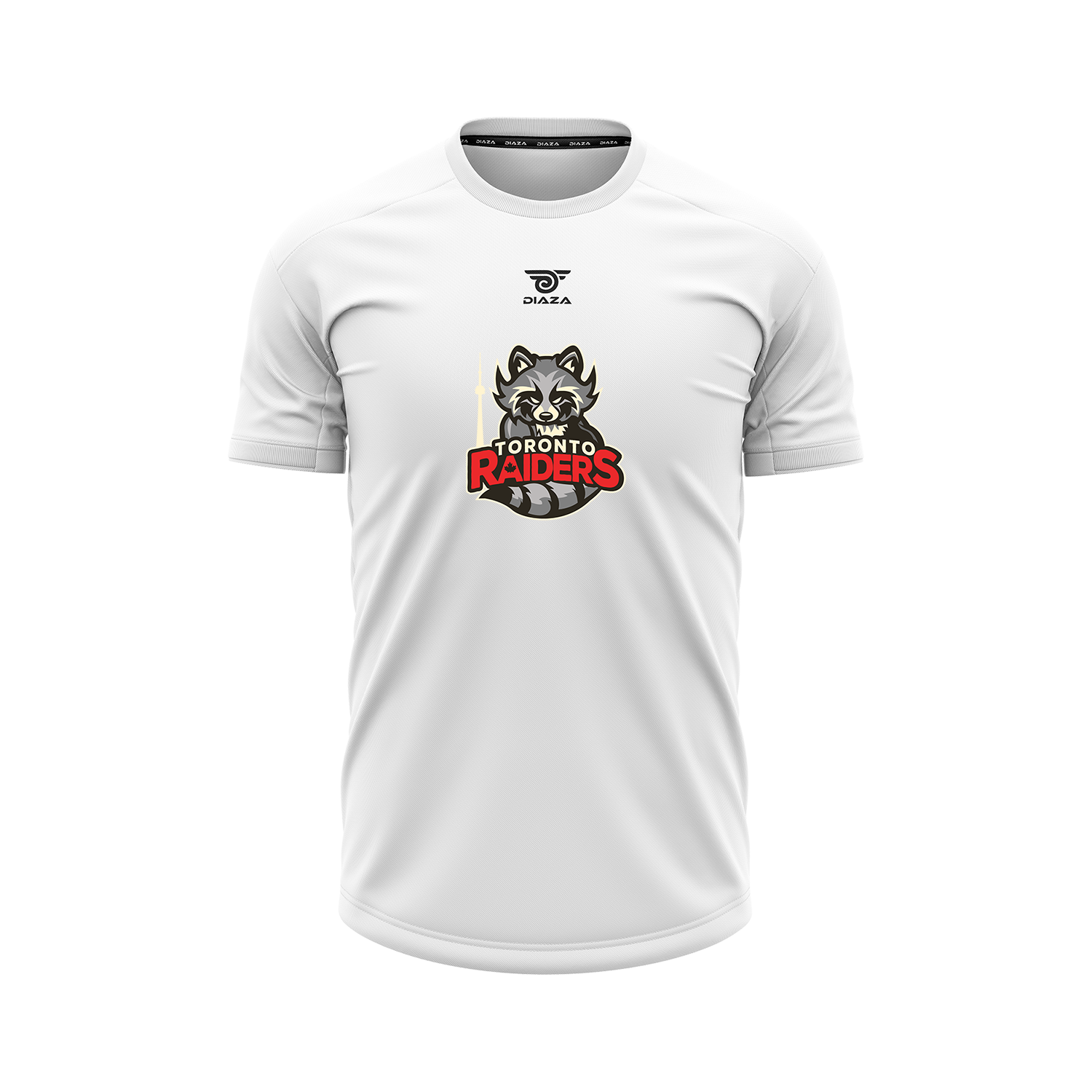
- Logos: Sublimated, Heat transfer, TPU or woven patch
- 90% cotton, 10% Polyester
Latest Headlines

by Victor Lopez Chavez on Jun 01 2026
A Coach’s Responsibility
By Garry Monk In collaboration with Diaza Football and Soccer Profile (The Coaches Hub)
The management of a football squad goes far beyond tactical preparation or matchday organization. At its core, it is about people, understanding them, guiding them, and creating an environment where different personalities can function as one.
Throughout my managerial career, including my time at Swansea City A.F.C. and Leeds United F.C., I’ve come to understand that managing personalities is not an additional skill within coaching, it is central to building a consistent and competitive team.
Understanding the Individual Within the Group
Every squad is a mix of personalities.
You will have players who naturally step into leadership roles: vocal, present, and influential within the group. Others operate more quietly, contributing through consistency, discipline, and reliability. Some respond well to direct challenge, while others perform best when supported with reassurance and clarity.
Recognizing these differences is not optional. It is fundamental.
A common misconception is that fairness requires treating every player in exactly the same way. In reality, while standards must remain consistent, the way those standards are communicated should vary.
The responsibility of the coach is to ensure that every player understands expectations — in a way that resonates with them — without ever compromising the collective structure.
Communication as a Performance Tool
Communication is the bridge between intention and execution.
In pre-match preparation, clarity is essential. Information should be concise, purposeful, and directly linked to the team’s identity. Overloading players with detail often creates hesitation. What they need are clear reference points, ideas they can apply instinctively under pressure.
Half-time presents a different challenge.
The emotional state of the game can easily distort communication. Whether the team is winning or struggling, the message must remain structured:
What is working
What needs to change
What actions are required next
This approach allows players to return to the pitch with direction, not confusion.
The Value of Individual Connection
While group communication sets the framework, individual interaction shapes behavior.
One-to-one conversations are where roles are clarified, trust is reinforced, and understanding is built. These moments don’t always need to happen in formal settings. In many cases, the most effective conversations are informal: brief, direct, and well-timed.
Players respond to clarity. They respond to honesty. And they respond to consistency over time.
Trust as the Foundation
Trust is not built in a single conversation. It is built through repeated actions.
Consistency in decision-making, transparency in communication, and fairness in how players are treated all contribute to credibility within the squad.
Players recognize patterns quickly. When trust is present, performance becomes more stable. When it is lost, even strong structures begin to weaken.
Balancing Authority and Understanding
Managing personalities requires balance.
A coach must maintain authority to enforce standards, while also demonstrating the awareness needed to support individual needs. Too much rigidity creates distance. Too much flexibility weakens structure.
The key is not choosing one or the other, the key is to know when to adjust.
That balance is what allows a group to function with both discipline and cohesion.
Where Management Meets Performance
Man-management is often separated from tactical work. In reality, they are directly connected.
A tactical plan only works if players understand their roles. And players only commit to those roles if they trust the environment they are part of.
Communication creates understanding. Trust sustains commitment.
Without both, structure alone is not enough.
Building Habits That Sustain Performance
In practical terms, managing personalities comes down to consistent behaviors:
Maintaining regular individual contact with players
Delivering clear, focused messages during preparation
Keeping communication controlled in key moments, especially under pressure
These habits create stability and stability allows players to perform with confidence.
A Shared Commitment to Coaching Development
Through platforms like The Coaches Hub, developed by Soccer Profile, the objective is to provide coaches with practical tools to improve how they manage people, structure environments, and communicate effectively.
In collaboration with Diaza Football, this ongoing Communication & Leadership Series aims to bring those insights closer to coaches working at every level of the game, from grassroots to high-performance environments.
Because the challenges described here are not exclusive to elite football. They exist everywhere.
Final Thought
Managing different personalities is part of coaching at every level.
It requires clarity, consistency, and the ability to adapt without losing direction.
When those elements come together, a group becomes more than a collection of individuals, it becomes a team capable of performing with purpose and cohesion.
About Diaza
Diaza is one of the fastest-growing sportswear and lifestyle brands in the United States, dedicated to empowering athletes on and off the field. Founded in 2020, Diaza is built on the belief that sport is more than competition: it's a platform to inspire growth, build community, and make a meaningful impact. Diaza collaborates with grassroots clubs, professional teams, and creators to bring soccer culture to life.
Website: www.diaza.comInstagram: @diazafootball

by Victor Lopez Chavez on May 15 2026
Pre-Match, Half-Time, and Post-Match Communication
By Garry MonkIn collaboration with Diaza Football and Soccer Profile (The Coaches Hub)
Communication in football is often judged by moments: a pre-match speech, a half-time adjustment, a post-match reaction. But in reality, its impact is built through consistency, clarity, and timing.
Across my experience in the game, including managerial roles at Leeds United F.C. and Middlesbrough F.C., I’ve found that the effectiveness of a team talk is not defined by how long it lasts or how emotional it feels. What matters is whether players leave with a clear understanding of what is required and the confidence to execute it under pressure.
Each stage of communication around a match carries a specific purpose. Understanding that purpose is what allows a coach to influence performance in a meaningful way.
Pre-Match Communication: Setting Clarity and Intent
By the time matchday arrives, the work should already be done.
Pre-match is not the moment to introduce new ideas. It is the moment to reinforce what has already been established through training.
The message must be focused and intentional:
Reinforce team identity
Highlight one or two key tactical priorities
Clarify the mentality required
Limiting information is essential. Players do not need volume; they need clarity. Too much detail can create hesitation, particularly in the early moments of the game when decisions must be instinctive.
Delivery also matters.
Emotion can support focus, but it should never replace structure. Players respond best when communication is controlled, direct, and purposeful. What they need before stepping onto the pitch is certainty.
Half-Time Communication: Providing Direction Under Pressure
Half-time is one of the few opportunities a coach has to directly influence the course of a match.
It is also one of the most challenging.
The emotional context — whether positive or negative — can easily disrupt the message. Managing that moment requires discipline.
A structured approach helps maintain clarity:
Identify what is working
Isolate what needs adjustment
Define clear actions for the second half
Players do not need a reaction. They need direction.
Maintaining composure allows the message to remain precise. Overloading players with multiple changes can create confusion, reducing the likelihood of effective execution. Prioritisation is key; focus on what will have the greatest impact.
Post-Communication: Reinforcing Standards and Perspective
Post-match communication is where reflection begins.
The outcome will influence the tone, but the objective remains consistent: reinforce standards and provide context moving forward.
After a positive result, the focus should be on identifying the behaviours that led to success. Reinforcing those actions builds consistency.
After a difficult result, the approach requires balance. Immediate emotional responses rarely add value. Instead, players benefit from a clear perspective, understanding what needs to improve without losing alignment with the team’s broader objectives.
In both cases, the message should leave no ambiguity about expectations.
Communication as Part of the Bigger Process
Team talks do not exist in isolation.
They are part of a wider communication framework that includes training sessions, tactical preparation, and individual conversations. The effectiveness of any message on matchday depends on how consistent that communication has been throughout the week.
When players receive aligned messages across all environments, their understanding becomes stronger. When there is inconsistency, confidence and execution begin to suffer.
Clarity is not created in a single moment; it is reinforced over time.
A Shared Approach to Coaching Development
Through The Coaches Hub, developed by Soccer Profile, the focus is on providing coaches with practical frameworks to improve communication, structure, and decision-making within real environments.
In collaboration with Diaza Football, this Communication & Leadership Series is designed to bring those insights closer to coaches working across all levels of the game.
Because whether in professional football or grassroots environments, the challenge remains the same: helping players understand, adapt, and perform.
Final Thought
Effective team talks are not defined by intensity or delivery style.
Their value lies in clarity.
Pre-match communication sets intent.Half-time provides direction.Post-match reinforces standards.
When those moments are managed with structure and purpose, players are better equipped to make decisions, execute roles, and perform with confidence.
And ultimately, that is where communication becomes performance.
About Diaza
Diaza is one of the fastest-growing sportswear and lifestyle brands in the United States, dedicated to empowering athletes on and off the field. Founded in 2020, Diaza is built on the belief that sport is more than competition: it's a platform to inspire growth, build community, and make a meaningful impact. Diaza collaborates with grassroots clubs, professional teams, and creators to bring soccer culture to life.
Website: www.diaza.comInstagram: @diazafootball

by Victor Lopez Chavez on May 01 2026
A Manager’s Perspective on Leadership and Relationships
By Garry Monk In collaboration with Diaza Football and Soccer Profile (The Coaches Hub)
In football, trust is often spoken about as something intangible, a feeling within the group, a connection between coach and players.
In reality, trust is far more concrete. It is built daily, through actions, decisions, and communication that players experience consistently over time.
Across my experience in professional football, including managerial roles at Leeds United F.C. and Birmingham City F.C., one principle has remained constant:
Trust is not a byproduct of success… it is a driver of it.
Consistency Creates Confidence
At the foundation of trust lies consistency.
Players need to understand what is expected of them, not just in moments, but across time. Training standards, selection decisions, and disciplinary actions must follow clear and stable principles.
When those principles are applied consistently, players gain confidence in the environment. They know where they stand, and they understand how decisions are made.
Consistency does not mean rigidity. It means reliability.
When that reliability is missing, uncertainty appears and with it, hesitation.
Clarity and Honesty in Communication
Communication is where trust is either strengthened or weakened.
Players respond to messages that are clear, direct, and aligned with what they see on a daily basis. In that context, honesty is essential.
Feedback, whether positive or corrective, must be real.
Avoiding difficult conversations or softening messages to the point of ambiguity does not protect players. It creates confusion.
Clarity provides direction.Honesty builds credibility.
The balance lies in how the message is delivered, adapting tone and approach to the individual, while maintaining consistency in the standard.
The Individual Within the Collective
Football is a team sport, but trust is built individually.
Every player arrives with a different personality, different motivations, and a different response to feedback. Recognizing those differences allows a coach to communicate more effectively without compromising the collective structure.
Not every conversation needs to happen in a meeting room.
Some of the most impactful moments occur informally: before training, after sessions, or in everyday interactions. These moments create familiarity, recognition, and a sense of belonging.
And over time, those small interactions compound into trust.
Fairness and Accountability
Trust is closely tied to how players perceive fairness.
Decisions will not always be accepted easily, selection, minutes, roles, but they are more likely to be respected when players believe they are made with consistency and integrity.
Transparency matters.
At the same time, accountability must remain non-negotiable.
Standards only hold value when they are applied. When players understand that expectations are clear and consistently enforced, the environment becomes more stable and more credible.
Presence Matters
Trust is also built through presence.
A coach who is visible, accessible, and engaged within the daily environment creates more opportunities for connection and understanding.
Regular interaction — both structured and informal — allows communication to remain active, not reactive. It also signals commitment to the group.
Over time, that presence reinforces relationships and strengthens the overall dynamic within the squad.
Trust as a Performance Factor
Trust is not separate from performance. It directly influences it.
Players who trust their coach:
accept instruction more readily
communicate more openly
maintain discipline under pressure
commit fully to collective objectives
Without trust, even the most detailed tactical plans lose effectiveness.
Hesitation replaces conviction.Silence replaces communication.Inconsistency replaces performance.
For that reason, trust should be viewed as a core performance driver, not an abstract concept.
A Shared Vision for Coaching Development
Through platforms like The Coaches Hub, developed by Soccer Profile, the goal is to provide coaches with practical tools to strengthen leadership, communication, and player management.
In collaboration with Diaza Football, this Communication & Leadership Series aims to bring those principles into real coaching environments, from grassroots to high-performance settings.
Because the challenge of building trust is universal. It exists at every level of the game.
Final Thought
Trust is not built in a single speech, a single result, or a single decision.
It is built everyday:
Through consistency.Through clarity.Through honesty.Through presence.
When those elements are aligned, players perform with confidence, teams operate with cohesion, and the environment becomes one where both individuals and the collective can grow.
And in football, that makes all the difference.
About Diaza
Diaza is one of the fastest-growing sportswear and lifestyle brands in the United States, dedicated to empowering athletes on and off the field. Founded in 2020, Diaza is built on the belief that sport is more than competition: it's a platform to inspire growth, build community, and make a meaningful impact. Diaza collaborates with grassroots clubs, professional teams, and creators to bring soccer culture to life.
Website: www.diaza.comInstagram: @diazafootball